Welcome To The Country Historian
The Curator of Country Music - Preserving History, Honoring its Legacy, Inspiring the Future


Bluegrass (1945 - )
Bluegrass music was born long before anyone knew its name. In the hills and hollers of Appalachia, where Scots-Irish immigrants carried their fiddle tunes and African American musicians brought the banjo’s West African heartbeat, a new sound quietly took shape. It was a music of front porches and church pews, of Saturday night dances and Sunday morning hymns. Old‑time string bands stitched together blues, ballads, gospel harmonies, and rural storytelling until the region had a style all its own—fast, emotional, and unmistakably alive.
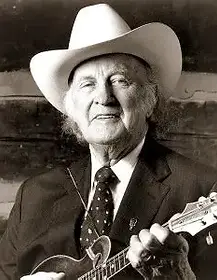
The music remained nameless until a tall, intense mandolin player from Kentucky stepped onto the Grand Ole Opry stage in 1939. Bill Monroe called his band The Blue Grass Boys, a nod to the blue‑tinged fields of his home state. Their sound hit audiences like a lightning bolt: high, lonesome vocals soaring over rapid‑fire mandolin, fiddle, and banjo. People didn’t just hear it—they felt it. Before long, listeners began referring to the style itself as “that Blue Grass music,” and by the mid‑1940s, the name stuck. A genre had been born, and Monroe was its father.
The classic bluegrass sound crystallized in 1946–47 when Monroe’s band featured Lester Flatt’s smooth rhythm guitar and Earl Scruggs’ revolutionary three‑finger banjo style. Their tight harmonies and blistering tempos became the blueprint for generations to come. Around the same time, The Stanley Brothers added their haunting mountain harmonies, Jimmy Martin brought a fierce vocal drive, and Jim & Jesse McReynolds introduced new mandolin techniques that expanded the music’s vocabulary. The Osborne Brothers pushed boundaries with innovative harmonies and modern touches, proving that bluegrass could evolve without losing its soul.
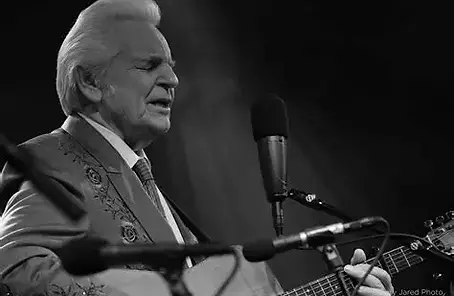
As the 1960s and ’70s rolled in, bluegrass found new life in cities and college campuses. The Country Gentlemen and The Seldom Scene modernized arrangements and drew in fresh audiences, while Doc Watson’s flatpicking guitar became legendary. New Grass Revival broke open the doors of experimentation, blending bluegrass with rock, jazz, and blues. By the 1980s and ’90s, artists like Alison Krauss, Ricky Skaggs, Tony Rice, and the Del McCoury Band carried the torch, each adding their own brilliance—some leaning traditional, others pushing into new territory.
In the 21st century, bluegrass continues to thrive, both rooted and restless. Rhonda Vincent’s mastery earned her the title “Queen of Bluegrass,” while Dailey & Vincent revived the power of tight harmony singing. The Punch Brothers, led by Chris Thile, stretched the genre into chamber‑music complexity, and Billy Strings electrified a new generation with his blend of tradition and improvisational fire.
From soulful traditionalists to adventurous innovators, bluegrass remains a living, breathing art form.
What began as a rural fusion of immigrant and African American traditions has grown into a global musical language. Yet at its heart, bluegrass still carries the same spirit it had on those early Appalachian porches—acoustic instruments, heartfelt stories, and musicians gathered in a circle, trading breaks and harmonies as if time itself were tapping its foot along with them.