Welcome To The Country Historian
The Curator of Country Music - Preserving History, Honoring its Legacy, Inspiring the Future
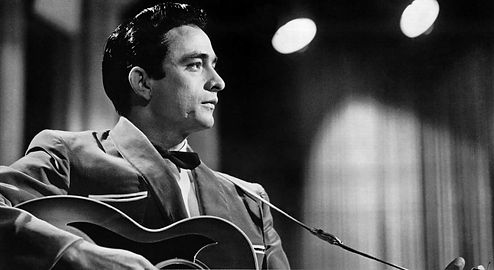


The Nashville Sound Era (1953-1967)
As rock ’n’ roll surged in popularity during the late 1950s, country music faced a commercial crossroads. In response, producers in Nashville—most notably Chet Atkins and Owen Bradley—crafted a smoother, more polished style aimed at reclaiming mainstream audiences.
Known as the Nashville Sound, this subgenre softened the raw edges of honky-tonk by replacing fiddles and steel guitars with lush string sections, background choruses, and crooning vocals. The result was a crossover-friendly sound that appealed to America’s growing middle class and climbed both country and pop charts. Artists like Jim Reeves, Patsy Cline, and Brenda Lee became emblematic of this refined approach, blending emotional storytelling with elegant production.
While some purists criticized the Nashville Sound for straying from country’s roots, it played a crucial role in preserving the genre’s commercial viability. This era also built on the chart infrastructure established in the 1940s, with Billboard expanding its country coverage through retail sales charts (1947) and radio airplay charts (1949)—a lineage that would eventually evolve into today’s Hot Country Songs chart.
Artists listed below either debuted or rose to prominence during this transformative period, when country music shifted from its traditional twang toward a more sophisticated sound and reached new audiences nationwide, though not all of these artists embraced the Nashville Sound.